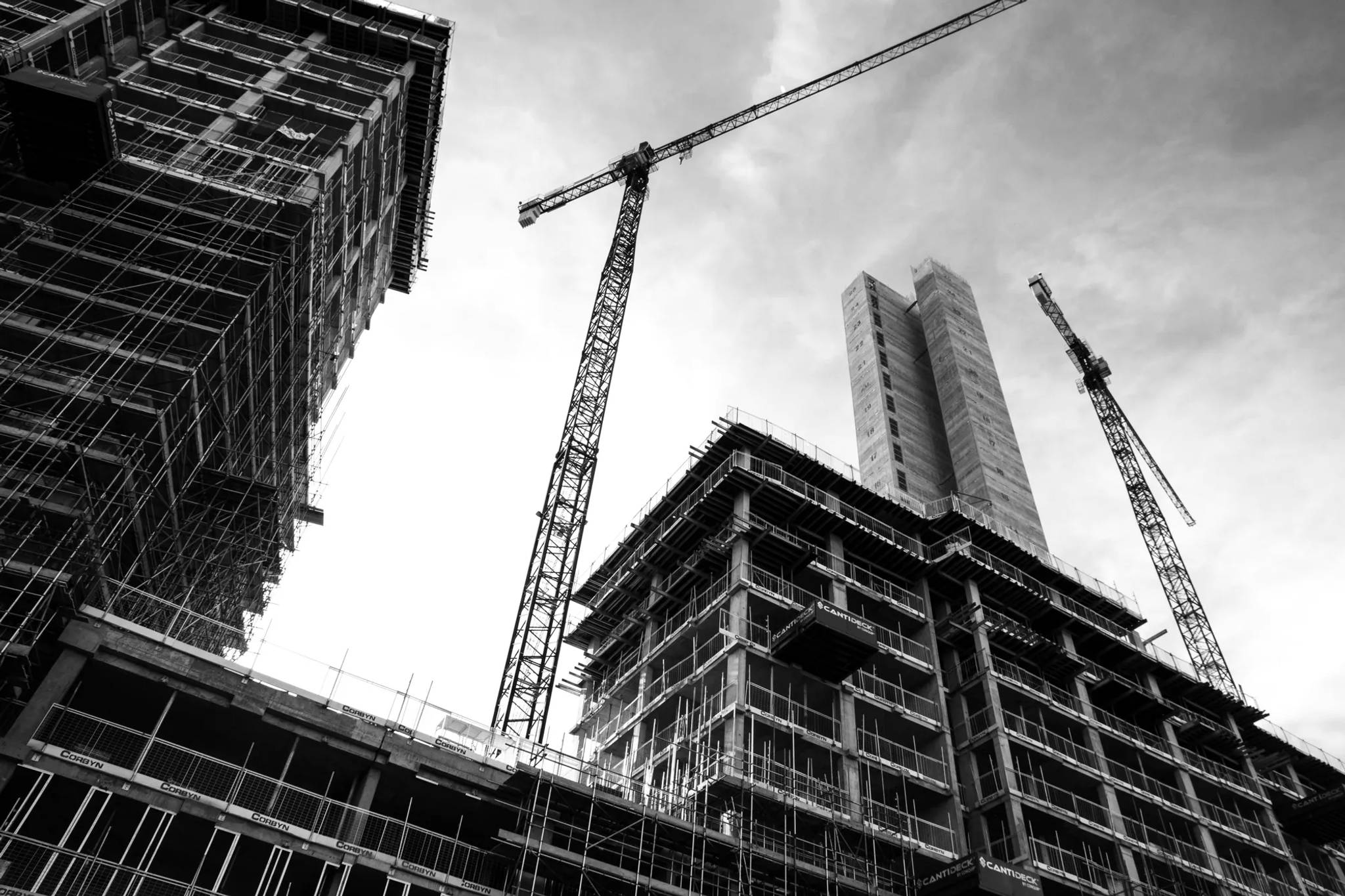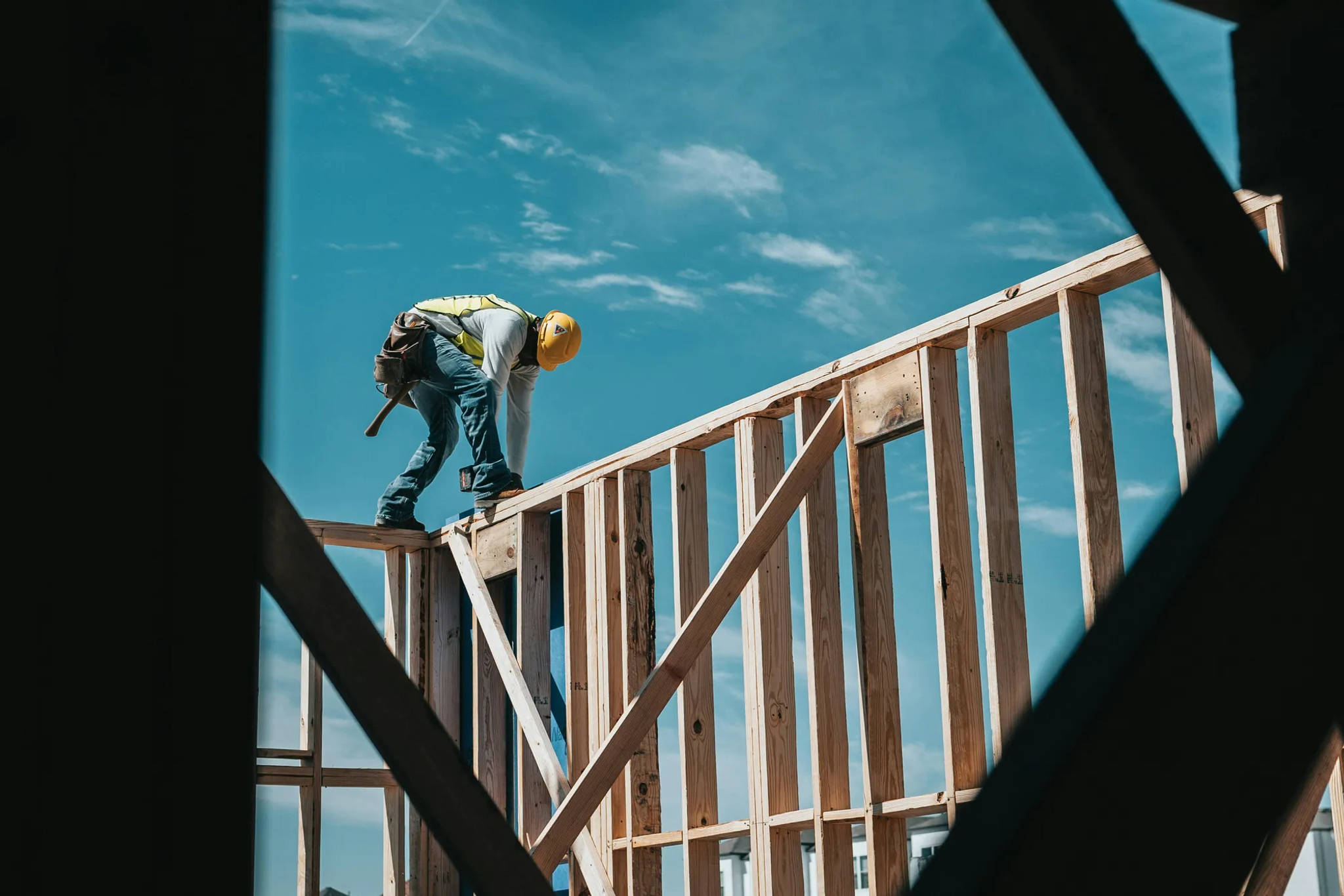
Building your own house in Portugal gives you the opportunity to create a home that reflects your lifestyle, preferred design, and long-term plans. However, before purchasing land or approving an architectural project, it is essential to understand the likely cost of construction.
There is no single price that applies to every project. The final budget depends on the location, size, design, ground conditions, construction system, energy requirements, finishes, and services included in the quotation.
As an initial planning reference, the construction of a house in Portugal in 2026 may commonly fall within a broad range of approximately €1,300 to €2,500 or more per square metre, excluding the purchase of the land. Complex architecture, difficult sites, premium materials, swimming pools, extensive landscaping, and luxury finishes can take the total above this range.
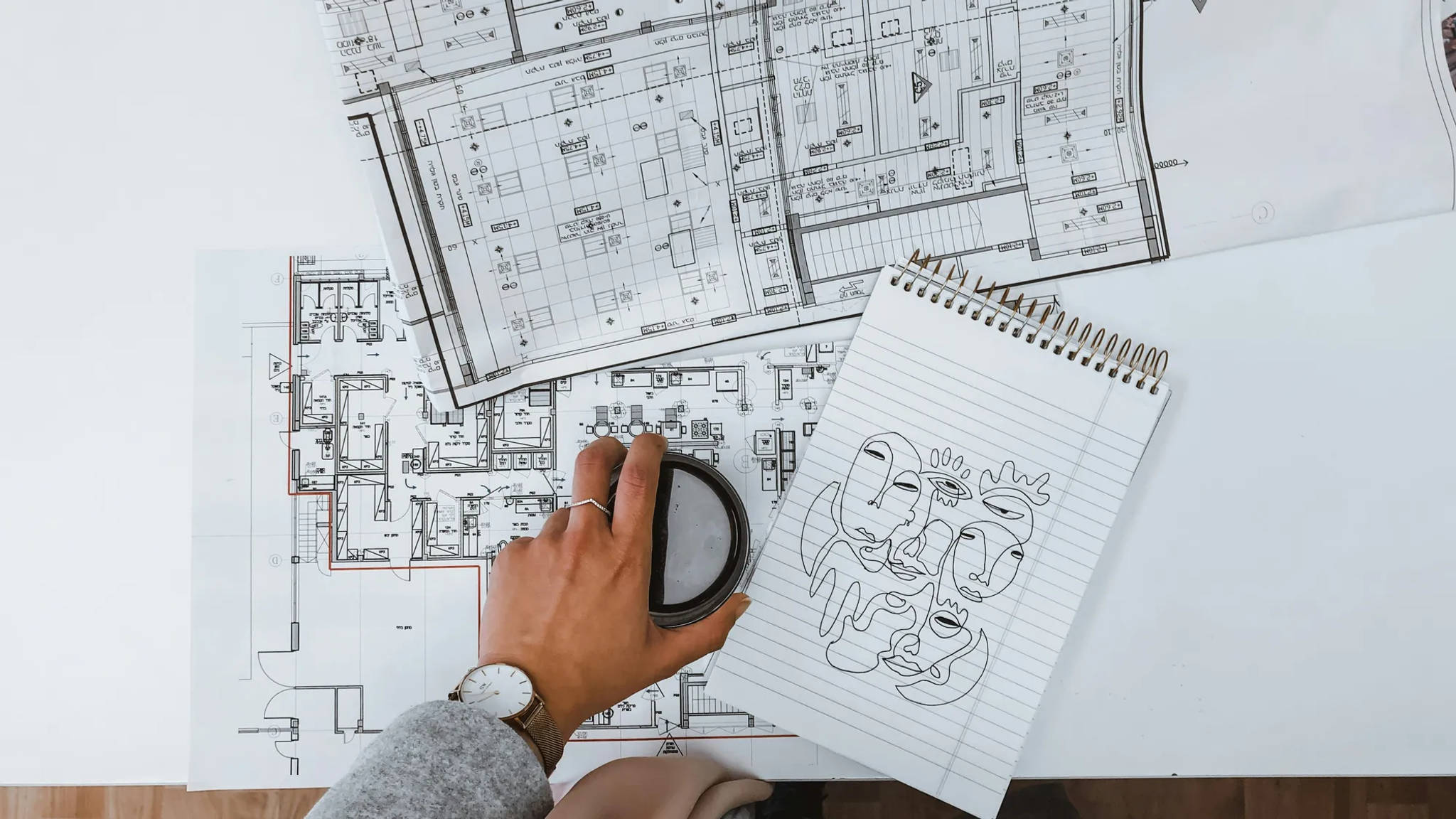
These figures should only be used as an early reference. A reliable budget requires architectural drawings, technical specifications, a site assessment, and an itemised quotation.
Indicative Construction Costs per Square Metre
The cost per square metre varies significantly according to the quality and complexity of the project.
Functional or Standard Construction
A relatively simple house with efficient architecture, standard materials, controlled dimensions, and straightforward site conditions may start at approximately €1,300 to €1,600 per square metre.
This level generally requires careful control of the design, material selection, and number of customised elements.
Mid-Range Custom Home
A customised family home with good insulation, modern systems, quality windows, carefully selected finishes, and more detailed exterior works may cost approximately €1,600 to €2,100 per square metre.
This is often the most relevant range for clients looking for a balance between durability, comfort, design, and budget.
High-End or Luxury Construction
Architecturally complex homes with premium finishes, large glazed areas, natural stone, advanced climate systems, bespoke carpentry, swimming pools, and extensive landscaping can exceed €2,100 to €2,500 per square metre.
Exclusive villas in areas such as Cascais, Lisbon, Sintra, and the Algarve may cost considerably more, depending on the specification and site conditions.
Example Budget for a 150 m² House
For a house with a gross construction area of approximately 150 square metres, the basic construction estimate could look like this:
- At €1,300 per m²: approximately €195,000;
- At €1,600 per m²: approximately €240,000;
- At €2,000 per m²: approximately €300,000;
- At €2,500 per m²: approximately €375,000.
These examples do not automatically include the land, taxes, professional fees, licensing, utility connections, finance costs, retaining walls, swimming pool, garden, boundary walls, or all external works.
For this reason, multiplying the house area by a standard rate is useful for initial planning but is not sufficient for establishing the final investment.
What Influences the Cost of Building a House?
1. Location
Construction costs are not identical throughout Portugal. Labour availability, transportation, local demand, site access, and the type of properties commonly built in the area can all affect the price.
Projects around Lisbon, Cascais, Sintra, and other high-demand locations may carry higher costs than comparable projects in areas with lower construction demand.
2. Size and Shape of the House
A larger house costs more overall, but the price per square metre is not always directly proportional to its size.
Compact rectangular buildings are normally more economical than houses with multiple wings, irregular shapes, large cantilevers, extensive terraces, or complex roof structures.
A carefully designed 180 m² house may therefore be more economical to construct than a highly complex 150 m² house.
3. Number of Floors
A single-storey house may require a larger foundation and roof area. A multi-storey house can use the land more efficiently but introduces stairs, additional structural requirements, and more complex construction logistics.
The most economical solution depends on the terrain, planning restrictions, layout, and architectural concept.
4. Ground Conditions
The condition of the land can have a major effect on the budget.
Additional costs may arise from:
- Rock excavation;
- Unstable or filled ground;
- Steep slopes;
- High groundwater levels;
- Poor drainage;
- Retaining structures;
- Difficult access for machinery;
- Removal of large quantities of soil.
A geotechnical assessment and professional site inspection can identify many of these risks before construction begins.
5. Foundations and Structural System
The required foundations depend on the soil, structural design, building weight, and local conditions.
A straightforward foundation on suitable ground will generally cost less than deep foundations, reinforced retaining structures, complex concrete work, or construction on a steep plot.
6. Materials and Finishes
Finishes can create one of the largest differences between two houses of a similar size.
The final cost is influenced by choices such as:
- Flooring and wall finishes;
- Kitchen furniture and appliances;
- Bathroom fittings;
- Windows and glazing systems;
- Interior doors and bespoke carpentry;
- Natural stone and decorative elements;
- Exterior cladding;
- Lighting and electrical equipment.
It is advisable to define realistic allowances for these items before requesting contractor quotations.
7. Energy Efficiency
Modern homes in Portugal must comply with applicable energy-performance requirements. Many owners also choose to go beyond the minimum standard by installing improved insulation, high-performance windows, solar panels, heat pumps, mechanical ventilation, or smart energy-management systems.
These solutions may increase the initial investment but can improve comfort and reduce long-term energy consumption.
8. Access to the Construction Site
Narrow roads, limited manoeuvring space, steep entrances, traffic restrictions, and neighbouring buildings can make construction more difficult.
Restricted sites may require smaller machinery, additional labour, specialised lifting equipment, or more deliveries, increasing the overall cost and duration.
Costs That May Not Be Included in the Construction Price
One of the most common budgeting mistakes is assuming that the contractor's construction price represents the complete project investment.
Depending on the quotation and project, the following items may be separate:
- Purchase of the land;
- Property acquisition taxes and legal costs;
- Topographical survey;
- Geotechnical investigation;
- Architectural project;
- Engineering projects;
- Municipal licensing and administrative fees;
- Project management and site supervision;
- Temporary site installations;
- Connections to water, electricity, sewage, gas, and communications;
- Excavation and removal of excess soil;
- Boundary walls and entrance gates;
- Driveways and paving;
- Drainage systems;
- Landscaping and irrigation;
- Swimming pool and pool equipment;
- Furniture, curtains, and decorative lighting;
- Finance and insurance costs.
Every quotation should clearly state what is included, excluded, provisional, or subject to later measurement.
How Much Should You Reserve for Professional Fees?
Architectural, engineering, surveying, licensing, supervision, and specialist consultancy costs vary according to the complexity and scope of the project.
Rather than relying on one fixed percentage, request detailed proposals from the professionals involved. Confirm whether each proposal includes revisions, technical coordination, municipal submissions, execution drawings, site visits, and assistance during construction.
Should You Include a Contingency Budget?
Yes. Even a well-prepared construction project can face unforeseen conditions, design changes, price adjustments, or additional work.
A contingency reserve of approximately 10% to 15% of the planned project budget is commonly considered prudent. A difficult site, incomplete design, or highly customised house may justify a larger reserve.
The contingency should not replace accurate planning. Its purpose is to protect the project from genuine unforeseen expenses.
How to Control Your Construction Budget
Define the Scope Before Construction
Changes made during construction are usually more expensive than decisions made during the design stage. Define the room sizes, technical systems, materials, finishes, and exterior works as early as possible.
Prepare Detailed Drawings and Specifications
A contractor can provide a more reliable quotation when the project documents clearly describe what must be built.
Incomplete documentation often leads to provisional prices, assumptions, omissions, and later variations.
Compare Equivalent Quotations
The cheapest total is not necessarily the best offer. One contractor may include excavation, waste removal, drainage, and external works, while another may exclude them.
Compare the scope, quantities, materials, exclusions, payment conditions, schedule, warranties, and responsibilities.
Avoid Excessive Design Complexity
A well-designed home does not have to be structurally complicated. Compact geometry, repeated window sizes, practical spans, standardised details, and carefully positioned technical areas can reduce cost without compromising quality.
Make Material Decisions Early
Late selections can cause delays and force expensive substitutions. Choose important finishes, windows, sanitary equipment, kitchens, and technical systems before the relevant construction stages begin.
Monitor the Work and Budget
Regular progress reviews help identify deviations before they become major problems. Variations should be documented, priced, and approved before execution whenever possible.
Is It Cheaper to Build or Buy a House in Portugal?
There is no universal answer. Building gives you more control over the layout, materials, energy performance, and construction quality. Buying an existing property may offer a faster route to occupancy but can involve renovation, maintenance, or compromise.
The comparison should consider:
- Land price;
- Total construction cost;
- Professional and licensing fees;
- Time required to complete the project;
- Financing costs;
- Condition and renovation needs of alternative properties;
- Long-term energy and maintenance costs;
- Market value in the selected location.
A complete project budget should be compared with the cost of purchasing an equivalent finished property in the same area.
Frequently Asked Questions
Does the price per square metre include the land?
No. Construction rates normally refer to the building work and exclude the purchase of the land, acquisition taxes, legal fees, and financing expenses.
Does the construction price include VAT?
Not always. Quotations should clearly state whether VAT is included and which tax treatment applies. Never assume that a displayed price is the final amount payable.
Can I calculate the final budget using only the floor area?
No. A price-per-square-metre calculation provides an initial reference, but it cannot account for the terrain, foundations, specification, exterior works, professional fees, licensing, or project complexity.
Is a swimming pool included in the house construction price?
Usually not unless it is specifically listed in the scope. The pool structure, excavation, waterproofing, technical equipment, paving, drainage, and landscaping should be budgeted clearly.
How long does it take to build a house in Portugal?
The construction period depends on the size, complexity, site conditions, approvals, contractor availability, and material lead times. The licensing and design stages must also be considered before the physical work begins.
When can a contractor provide an accurate quotation?
A reliable quotation normally requires architectural and engineering information, a defined specification, access to the site, and a clear description of the required exterior works.
Request a Construction Assessment
The cost of building a house in Portugal depends on much more than its total area. Ground conditions, excavation, foundations, drainage, accessibility, structural design, energy systems, finishes, and exterior works all influence the final investment.
MS Atlantida supports residential projects through professional construction, site preparation, excavation, drainage, paving, stonework, and landscaping services.
Contact the MS Atlantida team to discuss your project, assess the site requirements, and request a clear and detailed quotation.