Building a custom home is one of the most important decisions you can make. It gives you the opportunity to create a property that matches your lifestyle, your family's needs, and your long-term plans.
However, deciding whether this is the right time to begin is not always easy. Before moving forward, it is important to consider your current situation, priorities, budget, and future goals.
Here are five signs that may indicate you are ready to start planning your custom home.
1. You Cannot Find a Home That Meets Your Needs
If you have spent months searching for a property and every option requires major compromises, building a custom home may be the right solution.
Existing properties often have limitations related to layout, room size, storage, natural light, accessibility, or outdoor space. Renovating them can also become expensive, especially when structural changes are required.
With a custom-built home, you can plan every area around your specific needs, including:
- The number and size of bedrooms;
- Open-plan or separate living areas;
- A dedicated home office;
- Storage and utility spaces;
- Outdoor entertainment areas;
- Parking, garage, or access requirements.
Instead of adapting your lifestyle to an existing property, the property is designed around you.
2. Your Family Needs More Space
A growing or changing family often needs more space and a more practical layout.
You may require additional bedrooms, larger communal areas, a private workspace, accessible rooms for older relatives, or a safer outdoor area for children.
Building from the ground up allows you to consider both your current and future needs. This can help you avoid moving again after only a few years.
A carefully planned home can also include flexible rooms that change function over time. For example, a playroom may later become an office, guest room, or study area.
3. You Already Own a Suitable Plot of Land
Owning a suitable plot means that one of the most important steps has already been completed.
Before construction begins, the land must still be assessed carefully. Important considerations include:
- Planning and building restrictions;
- Access for construction vehicles and machinery;
- Ground conditions and topography;
- Connections to water, electricity, sewage, and communications;
- Drainage requirements;
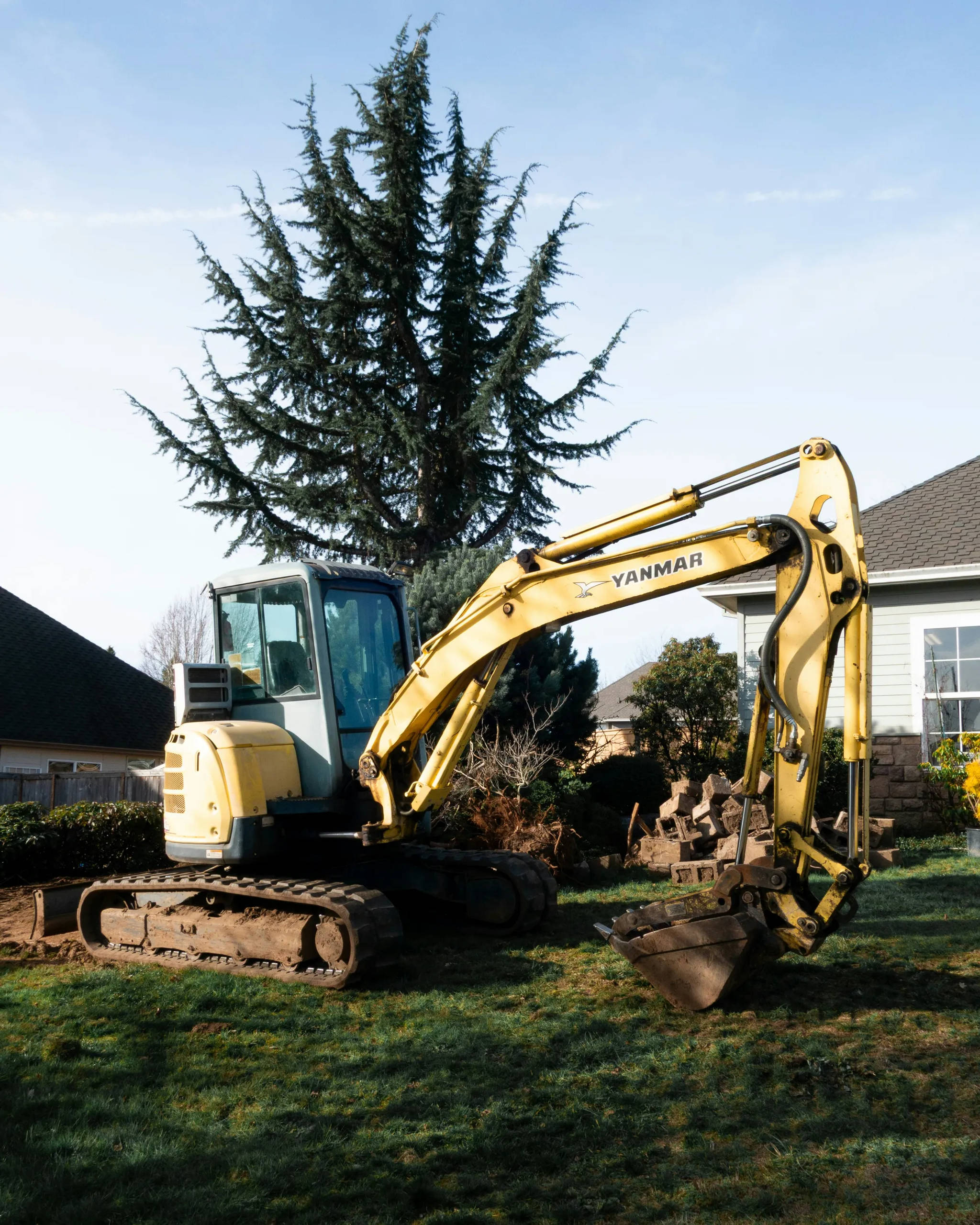
- Site preparation and excavation work.
A technical assessment can identify potential challenges early and help establish a more realistic construction budget and schedule.
Professional site preparation is essential because every stage of the build depends on stable ground, appropriate drainage, and correctly executed foundations.
4. You Are Planning for the Long Term
A custom home is especially valuable when you intend to remain in the property for many years.
Instead of focusing only on your current requirements, you can design the house around future changes. This may include improved accessibility, adaptable rooms, energy-efficient systems, and lower-maintenance materials.
Long-term planning may involve:
- Energy-efficient windows and insulation;
- Solar energy systems;
- Efficient heating and cooling;
- Water-saving solutions;
- Durable exterior materials;
- Accessible entrances and bathrooms;
- Space for future extensions.
These decisions can improve comfort, reduce operating costs, and help protect the value of the property.
5. You Are Ready to Invest in Quality
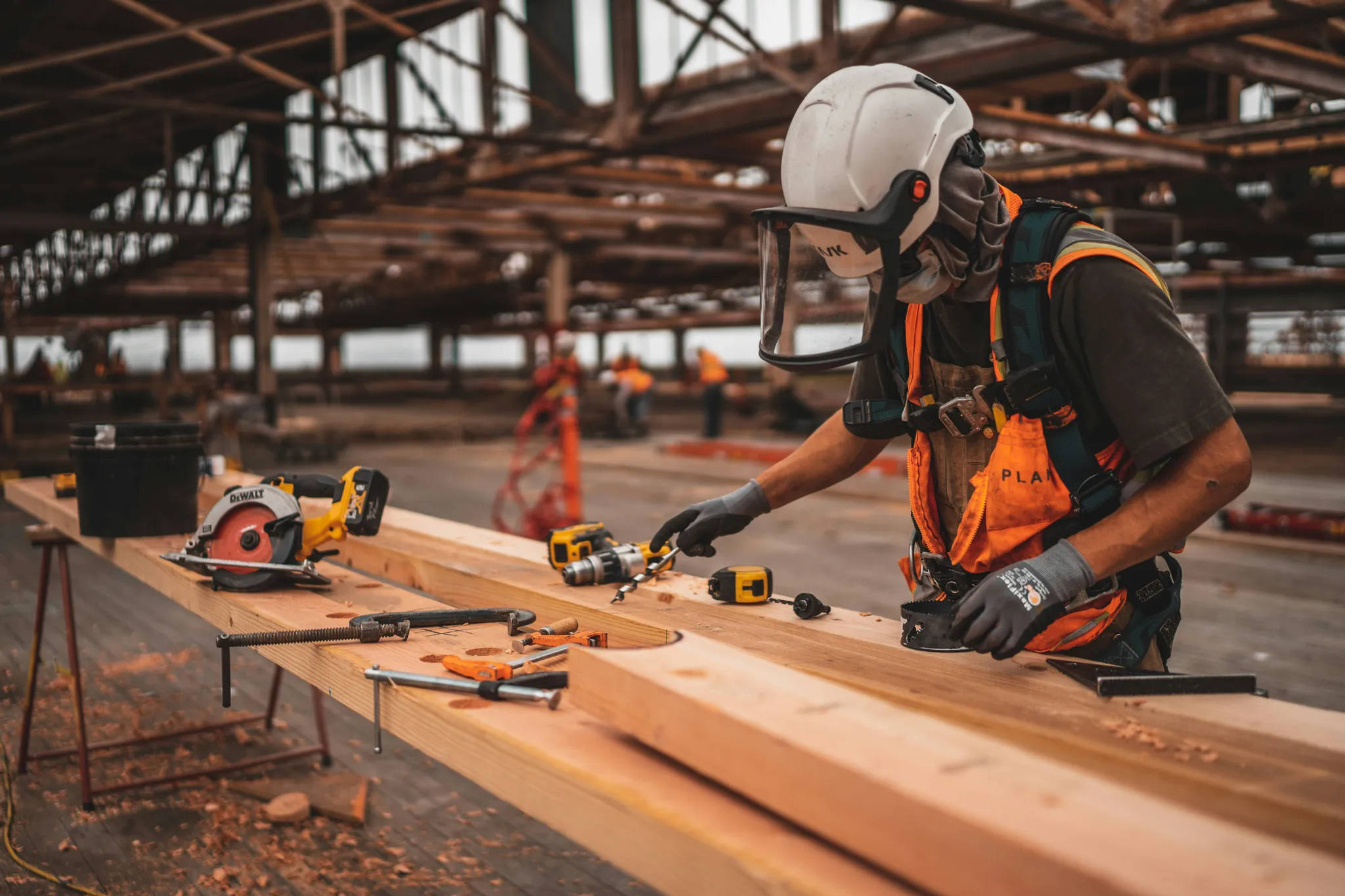
Building a custom home gives you greater control over construction methods, materials, finishes, and technical solutions.
Rather than accepting the choices made by a previous owner or developer, you can select products that match your quality expectations and budget.
Investing in quality from the beginning can reduce maintenance problems and unexpected repairs later. It can also improve energy performance, indoor comfort, durability, and the property's long-term value.
Quality construction does not mean choosing the most expensive option in every category. It means making informed decisions, selecting appropriate materials, and working with experienced professionals.
What Should You Consider Before Building?
Recognising these signs is an important first step, but a successful construction project also requires careful preparation.
Before beginning, you should consider:
- Your total available budget;
- The desired size and style of the house;
- Planning permission and licensing requirements;
- Architectural and engineering services;
- Site preparation and excavation;
- Construction timescales;
- Interior finishes and landscaping;
- A contingency budget for unexpected costs.
A clear plan helps prevent delays, control expenditure, and ensure that all parties understand the project requirements.
Why Work With an Experienced Construction Team?
Building a house involves many interconnected stages. Poor coordination during one stage can create delays or additional costs later in the project.
An experienced construction team can help coordinate:
- Site preparation;
- Excavation and foundations;
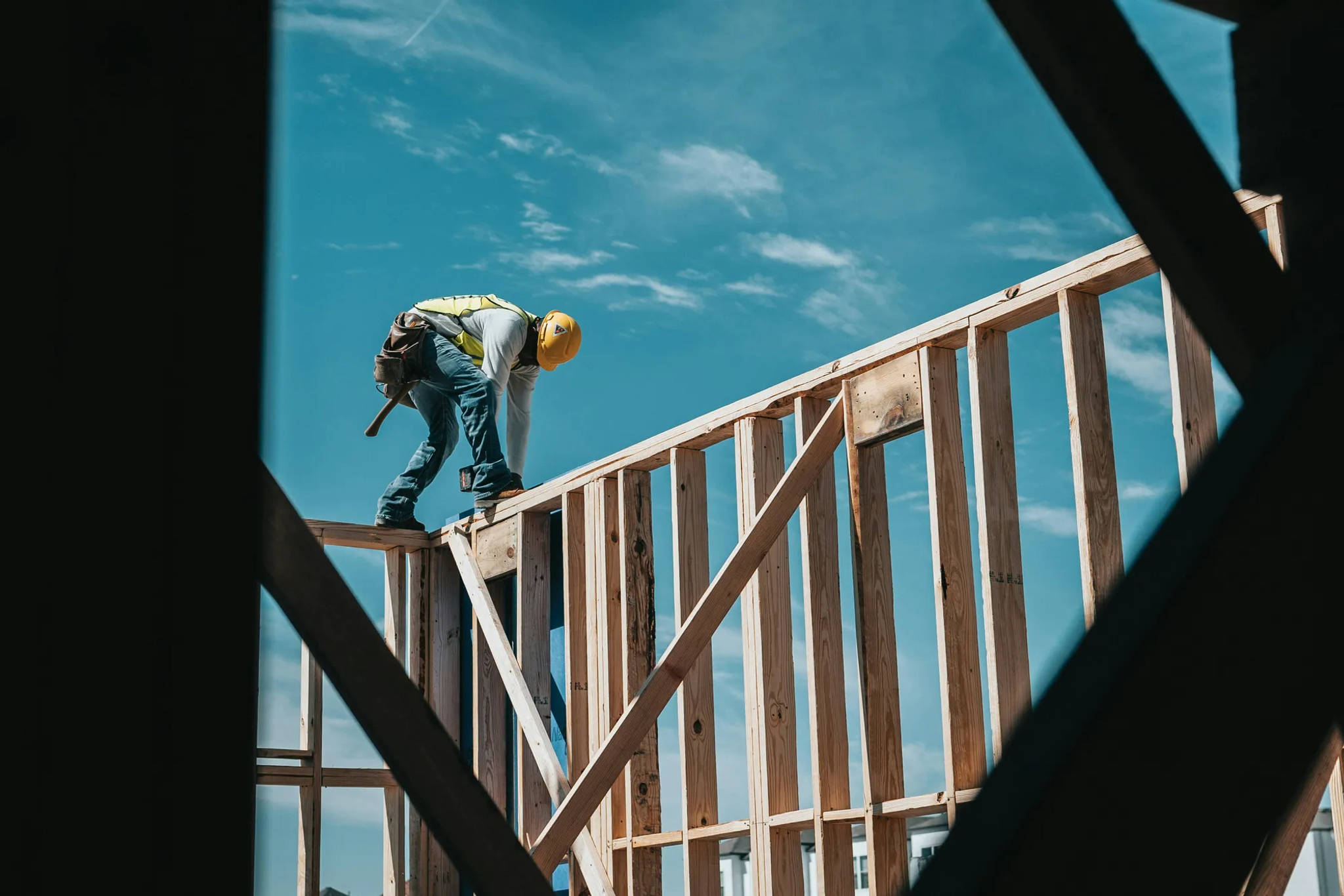
- Structural construction;
- Drainage and utility installations;
- Exterior works;
- Paving and landscaping;
- Final finishing work.
Clear communication, realistic scheduling, and transparent quotations are essential throughout the process.
Frequently Asked Questions
Is building a custom home more expensive than buying an existing property?
Not necessarily. The final cost depends on the land, design, materials, construction method, and location. Although the initial investment may be higher, a custom home can reduce renovation, maintenance, and energy costs in the future.
How long does it take to build a custom home?
The timescale varies according to the size and complexity of the project, licensing requirements, site conditions, and material availability. A detailed programme should be prepared before construction begins.
Do I need to own land before contacting a construction company?
No. You can speak with construction professionals before purchasing land. A technical opinion may help you identify access, planning, excavation, drainage, or infrastructure issues before making a commitment.
What is the first practical step?
The first step is to define your requirements, approximate budget, preferred location, and expected timeframe. From there, the land, design, and technical requirements can be assessed.
Start Planning Your Custom Home
If several of these signs reflect your current situation, this may be the right time to begin planning your future home.
MS Atlantida supports residential construction projects with professional site preparation, excavation, drainage, paving, landscaping, and associated construction services.
Contact the MS Atlantida team to discuss your project and request a clear, professional quotation.