Are you looking to modernise an older villa in the hills of Sintra or update a coastal apartment in Cascais? One of the first questions most property owners ask when starting an improvement project is: How much does it cost to renovate a house in Portugal in 2026? There is no single price that applies to every project, but as an initial planning reference, renovation costs in 2026 commonly fall within a broad range of approximately €300 to €1,800 or more per square metre, depending on the scope of work required.
These figures should only be used as an early reference. A reliable budget requires a site inspection, a clear scope of work, and an itemised quotation.
Indicative Renovation Costs per Square Metre
The cost per square metre varies significantly according to the level of intervention required.
Cosmetic Renovation
Surface-level updates such as painting, new flooring, updated kitchen and bathroom fittings, and minor electrical or plumbing fixes may cost approximately €300 to €600 per square metre.
This level generally does not involve structural changes and can often be completed while parts of the property remain in use.
Mid-Range Renovation
A more substantial renovation involving new bathrooms, updated kitchens, partial rewiring and re-plumbing, improved insulation, and quality finishes may cost approximately €600 to €1,000 per square metre.
This is often the most relevant range for older Sintra and Cascais properties that need modern systems without a full structural overhaul.
Full Structural Renovation
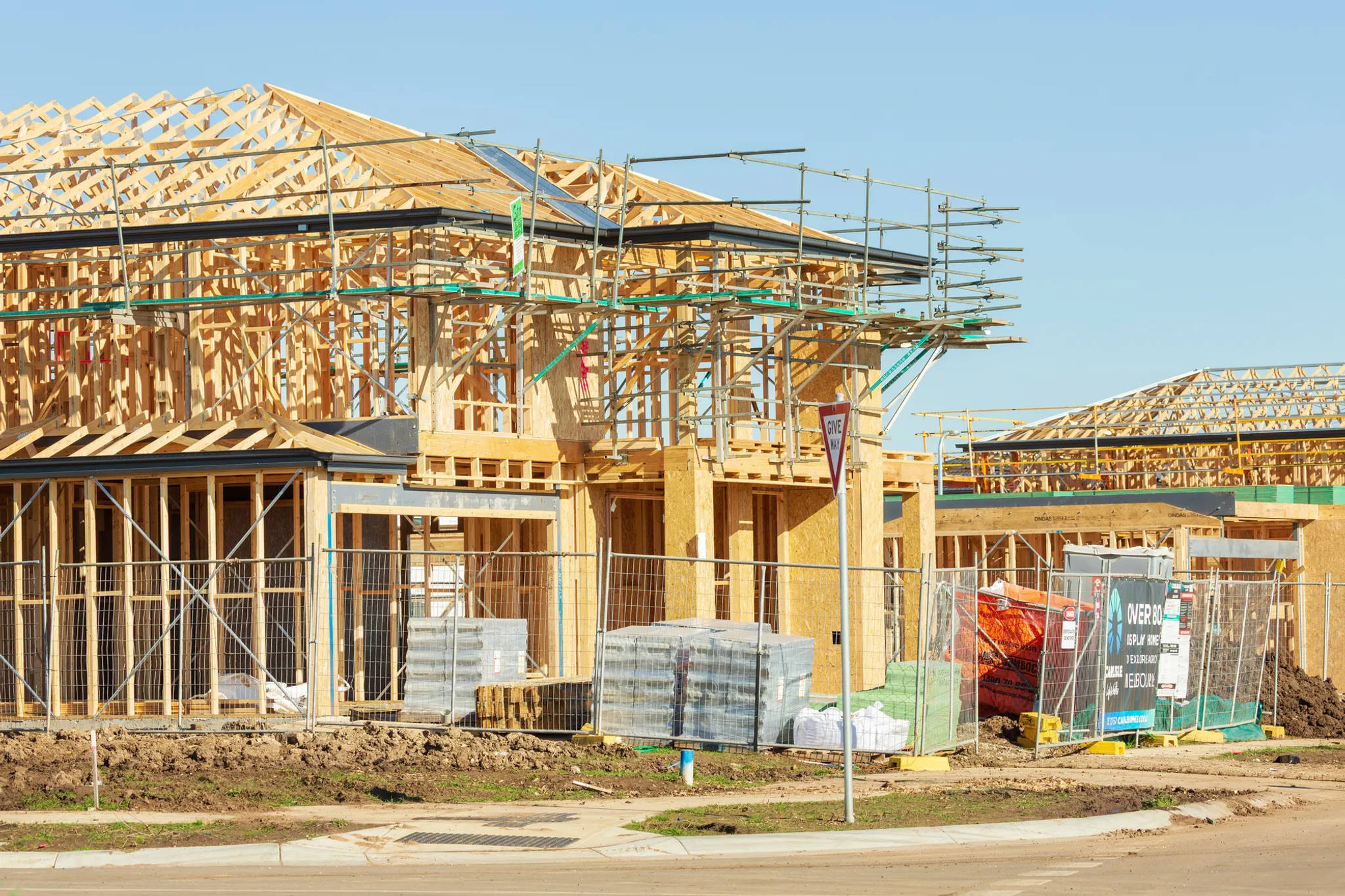
Extensive renovations involving the removal of load-bearing walls, complete replacement of electrical, water, and sanitation systems, roof reconstruction, and premium finishes can cost approximately €1,000 to €1,800 per square metre, and more for architecturally complex or heritage properties.
Example Budget for a 120 m² House
For a house with a floor area of approximately 120 square metres, the basic renovation estimate could look like this:
Cosmetic renovation at €300–€600/m²: approximately €36,000 to €72,000;
Mid-range renovation at €600–€1,000/m²: approximately €72,000 to €120,000;
Full structural renovation at €1,000–€1,800/m²: approximately €120,000 to €216,000.
These examples do not automatically include architectural fees, licensing, temporary accommodation, furniture, or landscaping. For this reason, multiplying the floor area by a standard rate is useful for initial planning but is not sufficient for establishing the final investment.
What Are the Primary Factors Affecting Renovation Costs?
The primary factor affecting your renovation cost is the current structural state of the building and the level of intervention required. A surface-level update involving painting and flooring is vastly different from a full structural overhaul involving the removal of load-bearing walls or replacing essential infrastructure. Renovating in hilly areas like Sintra often incurs higher costs due to site accessibility and the need for specialised logistics not typically found in flat, urban environments.
The quality of materials chosen also represents a significant share of your total expenditure, as the Mediterranean climate dictates specific requirements for durability. Homeowners often underestimate the cost of high-quality insulation and damp-proofing, which are essential for long-term property maintenance in Portugal. During the initial assessment, our team analyses the site thoroughly to account for these environmental conditions and reflect them in the estimate.
How Does Site Accessibility Impact Your Budget?
Site accessibility is a major cost driver, especially when dealing with the narrow, winding streets typical of historical areas in Cascais and Sintra. If heavy machinery and transport vehicles cannot easily reach the site, manual labour or smaller equipment is required, which increases the time and cost of excavation or debris removal. This logistical challenge is often overlooked in initial budget estimates.
Properties on a slope or requiring extensive scaffolding also see a rise in labour intensity, adding roughly 10% to 20% to the base renovation cost. A professional site assessment helps identify these hidden logistical hurdles before work begins.
Why Is Structural Integrity More Important Than Finishes?
Structural integrity is the most critical element of any renovation, as it ensures the safety and longevity of your investment. Cutting corners on structural repairs to save money often leads to higher maintenance costs and potential safety issues later, especially in seismic zones. Prioritising the foundations and roof stability is the basis of a successful renovation, and this work should always be budgeted before finishes are selected.
What Does Infrastructure Renovation Involve?
Infrastructure renovation covers updating the essential services that keep a home running: electrical wiring, gas supply, water piping, and sanitation systems. In older Portuguese houses, this often means removing outdated piping and wiring that no longer meet modern safety or energy-efficiency standards, and it must be performed by certified technicians for legal compliance.
Because these systems are hidden behind walls or beneath floors, they must be done correctly the first time. The scope typically includes:
Upgrading water pipes to prevent leaks and improve pressure;
Replacing old electrical panels and re-wiring for modern appliances;
Installing efficient sewage and drainage solutions;
Integrating modern telecommunications infrastructure;
Installing gas supply lines according to strict safety codes.
As a rough guide, full infrastructure replacement in an older property typically adds €150 to €300 per square metre on top of cosmetic finishing costs.
Costs That May Not Be Included in the Renovation Price
A common budgeting mistake is assuming that the contractor's price represents the complete project cost. Depending on the quotation, the following items may be separate:
Architectural or engineering drawings;
Municipal licensing and administrative fees;
Structural survey or geotechnical assessment;
Temporary accommodation during major works;
Waste removal and skip hire;
Furniture, curtains, and decorative lighting;
Landscaping and exterior works;
Finance and insurance costs.
Every quotation should clearly state what is included, excluded, provisional, or subject to later measurement.
Is It Cheaper to DIY or Hire Professionals?
While DIY might seem cheaper initially, hiring professionals is almost always more cost-effective for large-scale renovations in terms of long-term value and stress. Professional teams bring experience in handling unexpected challenges, such as buried foundations or historical building restrictions, which can stop a DIY project in its tracks. Using an established company also ensures that safety and environmental standards are strictly followed, avoiding potential legal issues.
There is also the matter of time and materials procurement. Professionals have access to reliable suppliers and trade discounts, and a trained team can complete the work within a defined timeline. Attempting a major renovation without professional help often leads to unfinished projects and compounding costs when professional intervention is finally required to fix errors.
What Are the Benefits of Using Local Materials?
Using local materials is often the most cost-effective and sustainable choice for renovations in Portugal. Traditional materials such as stone sourced from nearby quarries or local clay tiles are not only aesthetically appropriate but also highly resistant to the local Mediterranean climate. Transporting heavy building materials over long distances adds to your carbon footprint and can meaningfully increase transport costs.
A few examples where local sourcing pays off:
Local stone for retaining walls;
Climate-appropriate pavers for driveways;
Regional wood for outdoor structures;
Sand and aggregates from nearby geological sources.
Why Is Professional Site Preparation Critical?
Professional site preparation is critical because it dictates the stability of everything that follows, from the foundation of your home to the drainage of your garden. Proper excavation and ground treatment prevent issues like shifting soil or water accumulation, which are common problems in the hilly terrain of the region. Correct site preparation — removing debris and levelling the ground to the required specifications — protects the entire budget downstream.
Neglecting this stage is one of the most common mistakes in renovation, often leading to structural cracks or drainage failures years later.
How to Control Your Renovation Budget
Define the Scope Before Work Begins
Changes made during construction are usually more expensive than decisions made during planning. Define the rooms, technical systems, materials, and finishes as early as possible.
Get a Detailed, Itemised Quotation
A contractor can provide a more reliable quotation when the scope of work is clearly described. Incomplete scoping often leads to provisional prices, assumptions, and later variations.
Compare Equivalent Quotations
The cheapest total is not necessarily the best offer. One contractor may include waste removal, structural repairs, and infrastructure upgrades, while another may exclude them. Compare scope, materials, exclusions, payment terms, and warranties.
Reserve a Contingency Budget
A contingency reserve of approximately 10% to 15% of the planned budget is commonly considered prudent for renovation projects, since older buildings frequently reveal hidden issues once work begins.
Portuguese Renovation Services From MS Atlantida
MS Atlantida provides comprehensive renovation services for property owners in Cascais, Sintra, Estoril, Alcabideche, and São Domingos de Rana. Our team manages every stage of the project, from initial site assessment and structural work to infrastructure upgrades and final landscaping. We use our own skilled crew to deliver quality craftsmanship aligned with your property's needs and local regulations.
Whether you need to overhaul drainage systems, install new paving, or prepare a property for a major extension, we provide clear, transparent guidance and no-obligation estimates.
Frequently Asked Questions
How much does it cost to renovate a house in Portugal in 2026?
Renovation costs commonly range from approximately €300/m² for cosmetic updates to €1,800/m² or more for full structural renovations, depending on the scope of work and site conditions.
How long does a typical renovation take?
Renovation timelines vary significantly based on project complexity, ranging from a few weeks for minor updates to several months for full structural overhauls.
Do I need a building permit?
In Portugal, most major structural changes or exterior alterations require a permit from the local municipality, which we can advise on during the assessment.
Can I live in the house during renovations?
Living on-site during renovations is possible for minor projects, but it is rarely recommended for large-scale structural or infrastructure work due to safety and dust.
Does the renovation price include VAT?
Not always. Quotations should clearly state whether VAT is included and which tax treatment applies. Never assume that a displayed price is the final amount payable.
How do I request a cost estimate?
You can request a free, no-obligation estimate by contacting our team for an on-site evaluation of your property.